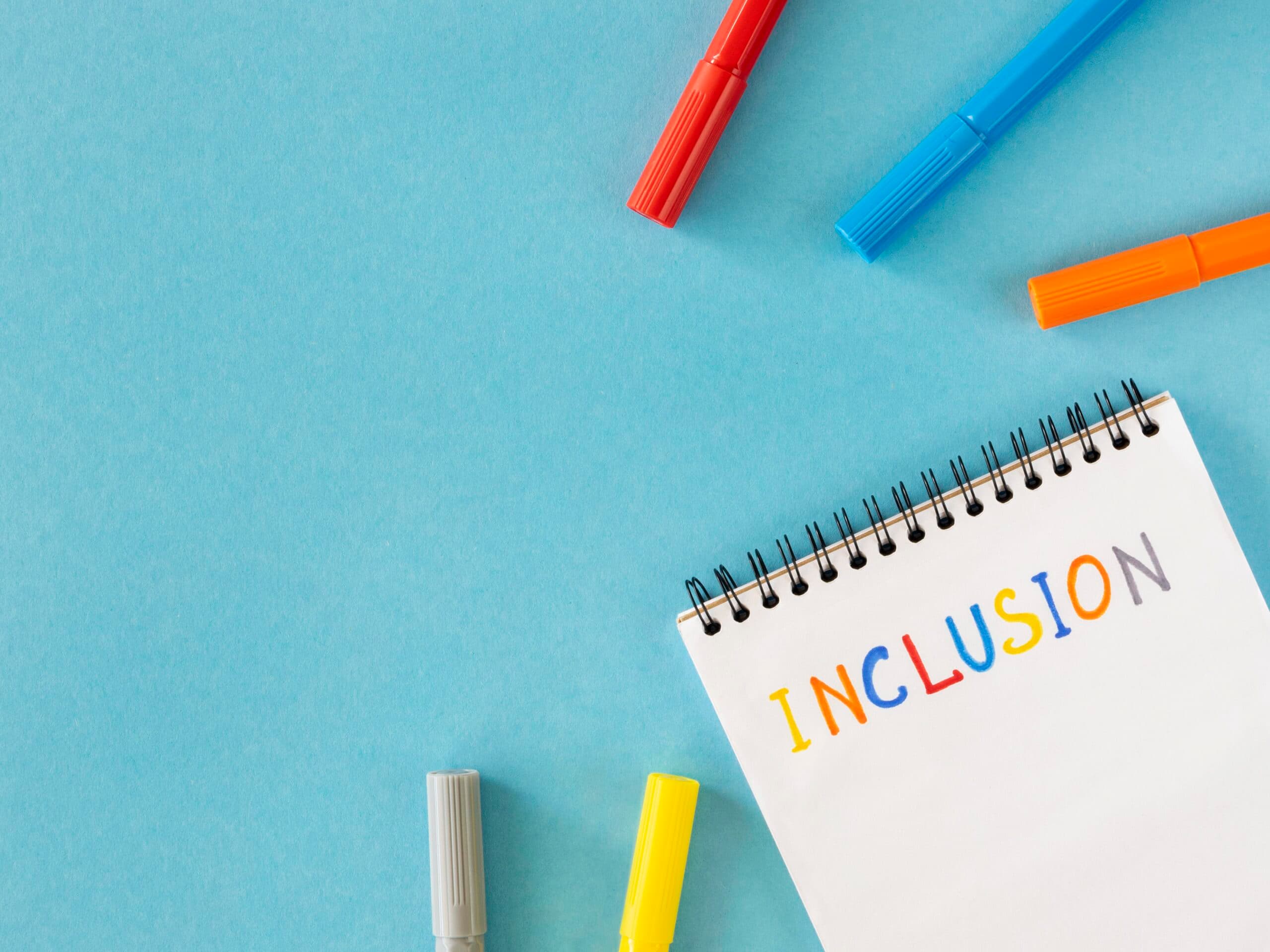
Inclusion is everywhere. Staff meetings, policy documents, Ofsted frameworks, CPD sessions. It’s the educational buzzword of the moment, spoken with reverence and urgency. But here’s an uncomfortable question: if we’re truly educating children as the individuals they are, why does inclusion need to be a separate thing at all?
When a Principle Becomes a Project
Something troubles me about the way we talk about inclusion. We create inclusion policies, appoint inclusion leads, deliver inclusion training, and measure inclusion outcomes. We’ve turned what should form the fundamental fabric of education into a bolt-on initiative, something that requires special attention, additional resources, and its own tick-box criteria.
This is rather like a restaurant announcing a new ‘edible food initiative’ or a hospital launching a ‘patient care programme.’ Shouldn’t we expect these things as standard?
The Paradox of Separate Inclusion
When we make inclusion its own category, something curious happens. We inadvertently create a binary: ‘mainstream’ learners exist, and then we need to ‘include’ others. We establish separate tracking systems, create different success metrics, design alternative provision. The very act of highlighting inclusion can, paradoxically, emphasise difference rather than dissolve it.
Consider how we monitor it. We count the children with SEND. We measure gap-closing. We report on ‘those children’ as distinct from the baseline. In trying to ensure no one falls behind, we’ve created elaborate systems that constantly remind everyone who might fall behind.
What If We Started Differently?
Here’s what’s frustrating: this approach already exists in pockets across education. Alternative provision settings, specialist schools, and innovative mainstream classrooms operate from this premise every day. They begin with a simple truth: every child learns differently. Not ‘most children learn this way, but we need to include these others.’
Simply: every single child arrives as an individual with a unique starting point, pace, and pathway.
These settings prove it works. In this model, no ‘typical’ learner exists and therefore no one requires special inclusion. Learners simply exist, each needing something different. Some need more time, others need different resources, some thrive with visual support, others with verbal reasoning. None of this seems remarkable in these environments because they don’t measure any of it against a fictional average.
So why isn’t this the norm? Because the system prevents it. We have the evidence, we have the expertise, we have settings demonstrating success. Yet policy makers continue to force these provisions to fit standardised frameworks rather than learning from them. Instead of making specialist approaches justify themselves against mainstream standards, we should be asking: what do these settings know that we’re missing? How can we reflect their principles across all education?
The tragedy isn’t that we don’t know how to educate every child as an individual. It’s that we keep the knowledge locked in ‘specialist’ settings while maintaining a system that works against it everywhere else.
The Measurement Problem
Our current system reveals its limitations most clearly in how we measure progress. We assess children against age-related expectations, curriculum endpoints, and cohort averages. When a child doesn’t fit these parameters, we create parallel systems.
But we’re still measuring difference from a norm rather than growth from a starting point.
What if we simply recorded where each child actually stands and tracked where they actually go? Not against their age. Not against their peers. Against themselves. True individual progress, captured precisely and honestly.
From Inclusion to Individuality
Perhaps we don’t need better inclusion. Perhaps we’re still working from a standardised model and trying to include everyone in it, rather than building from an individualised model where everyone already belongs.
When we make education genuinely personalised, inclusion becomes invisible. Not because we ignore differences, but because we expect them. We celebrate them. We build for them from the ground up.
Making It Real: Individual Progress Recording
This isn’t just philosophy. We need practical tools that allow us to:
- Record each child’s actual starting point without reference to age-related expectations
- Track progress in granular, meaningful steps that reflect real learning
- Celebrate growth that might look tiny on a national curriculum scale but represents monumental effort for that child
- Build evidence of learning that shows the full picture of each individual’s journey
This is where The Anthill Group’s approach to individual progress recording transforms the conversation. Rather than retrofitting children into standardised frameworks or creating separate systems for those who don’t fit, it captures learning as it actually happens for each child. Small steps, individual pathways, genuine progress-all visible, all valued, all equal.
When we have systems that truly record individual progress, we don’t need inclusion as a separate initiative. We have something better: education that recognises every child as the individual they already are.